Occupational Hazards and Self-protection of Medical Staff ------ Safe Injection
The "Special Work Guidance Plan for Blocking the Transmission of Hospital Injections and Making Injections Safer (2015-2018)" defines safe injection as: harmless to the person receiving the injection, no avoidable risks to the medical personnel performing the injection operation, and no harm to the environment and others caused by the waste after the injection. It includes not only intramuscular, intradermal and subcutaneous injections, but also dental injections, intravenous fluids and injections, blood collection and various types of puncture. Safe injection is the basic path and effective measures to block the spread of nosocomial infection and ensure the safety of patients and the occupational safety of medical staff.
Since 1981, scholars first reported the harm of needle-stick injuries contaminated with needles to medical personnel, needle-stick injuries are one of the most serious occupational risk factors faced by medical personnel today. Medical staff by a variety of contaminated needles can lead to blood-borne diseases, of which AIDS, hepatitis B, hepatitis C infection is the main type. The risk of occupational infection of blood-borne diseases in medical staff is 2 to 19 times that of the general population, and 80% of them are attributed to needle stick injuries. Injection accounts for 2/3 of the workload of nurses. The main cases of stab wounds include stab wounds caused by pulled out intravenous puncture needles and separation of intravenous syringes from needles. If stab wounds are used, nursing staff may be infected with blood-borne diseases.
How to prevent needle stab wounds and cuts, mainly from the following aspects to take preventive measures:
For example, the vacuum blood collection vessel is a kind of safe blood collection apparatus. The whole blood collection process is a closed system, which is hygienic and safe to ensure that medical personnel do not contact the source of infection.A survey showed that after the use of vacuum blood collection vessels, venous blood collection-related sharp injury decreased by 48%.
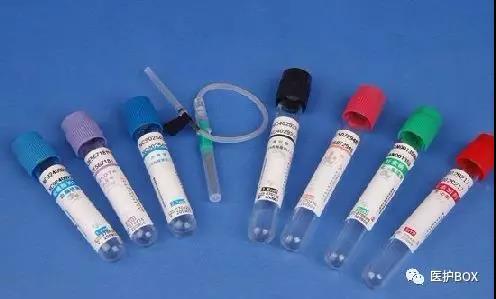
Safe disposal of sharp appliances
(1) No matter under what circumstances, do not pass the used equipment to others.
(2) When performing invasive operations, be sure to ensure sufficient light to minimize wound bleeding.
(3) Do not cover the used disposable syringe needle and do not destroy the used syringe by hand.
(4) When suturing the wound, pay special attention to reducing accidental stab wounds.
(5) Put the used syringes directly into a special barrel (box) for unified treatment.
(6) Do not place sharp waste where children can reach it.
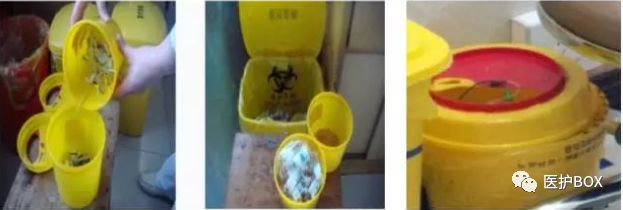
Proper use of sharps box
The sharp box is generally designed with a needle separation device to facilitate medical personnel to separate the needle tube and the needle.
(1) According to the sharps used, select the appropriate size of the sharps box to ensure that the sharps can be put in completely.
(2) Sharp box shall be anti-leakage and anti-penetration.
(3) Sharps should be placed in the sharps box immediately after use.
(4) Sharp box should be used correctly, and 3/4 full should be disposed.
(5) The sharp instrument box should be sealed during transportation to avoid leakage or overflow of the contents.(6) The sharp instrument box should be placed as close as possible to the conspicuous position of the workplace, within easy reach of medical personnel, and it is not necessary to put it in after secondary sorting, which is convenient and safe to use.
(7) Do not open, empty or clean the reusable sharps box with bare hands to avoid causing skin damage to the operator.
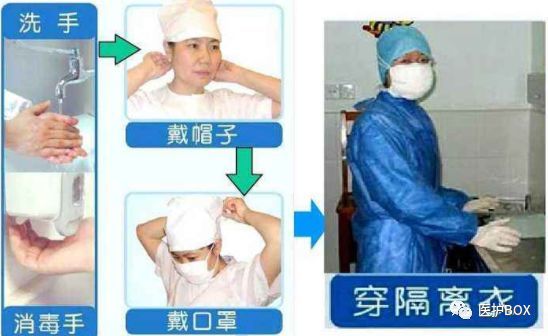
Self-protection in high-risk environments
(1) Select and wear masks and gloves according to the specification requirements, and use and store them correctly.
(2) to understand the finger wash sign, master the standard method of hand washing.
(3) for patients with blood-borne diseases, especially to establish a strong sense of self-protection.
Be familiar with the post-treatment measures and process of being stabbed by sharp instrument
(1) Emergency treatment of wounds.Immediately squeeze out the blood from the wound site, rinse with running water, and disinfect the wound with iodophor or alcohol or other disinfectant.
(2) Report to the head of the department.Assessment and disposal should be completed within 4 hours.
(3) Follow-up and follow-up.When necessary, vaccinate and test the parties with sharp injuries, track and confirm the test results and take drugs, and cooperate with doctors for regular monitoring and follow-up.