


Occupational injury and self-protection of nurses in hemodialysis room
Release time:
2020-04-10
In recent years, my country's hemodialysis purification technology has made great progress, which has significantly improved the survival rate of patients with renal failure and prolonged the survival time; secondly, blood purification technology is also an effective means to rescue various critically ill patients. There are many hemodialysis patients, the condition changes are complex and diverse, and the dialysis methods are diverse. The work pressure of nurses and the risk factors they face are also increasing, which has a serious impact on their physiology and psychology; and the environment of the hemodialysis room is strong. A large amount of chemicals are needed every day, and they need to be in direct contact with the patient's body fluids and blood, which seriously threatens the health of nurses.
The common occupational injuries of nurses in hemodialysis room are: psychological injury, biological injury, mechanical injury, physical injury and chemical injury, among which the incidence of gastrointestinal disease and mental stress is the highest. The following summary is made on the risk factors of occupational injury for nurses in hemodialysis room:
biological factors
China is a country with a high incidence of hepatitis, and blood transmission is the main route of hepatitis transmission. Hemodialysis room nurses often contact with patients with blood, secretions and other excretions, significantly increased the virus and bacterial infection rate. Most of the hemodialysis room staff have a heavy workload and a small number of staff. Even if the skin is damaged, they still insist on working, which significantly increases the infection rate of various infectious diseases, such as hepatitis B. In addition, biological factors also include the spread of infectious diseases. If you come into contact with contaminated equipment or articles, it is very easy to spread various infectious diseases.
mechanical factors
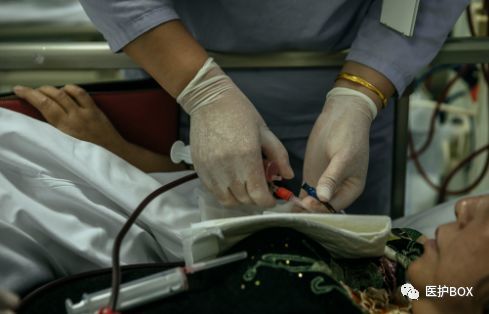
In the hemodialysis room, sharp instrument injuries are extremely common, and needle stab wounds are the most common. Nurses often cause needle stick injuries due to improper operations such as handling the used sharp objects, separating the injection needle, resetting the needle cap or performing internal fistula puncture and needle extraction. Generally, glass punctures are mostly caused by quality problems encountered when breaking ampoules or glass joints. Blunt injuries generally occur when fixing filters and reusing filters and accidentally injuring hands.
2
Physical factors
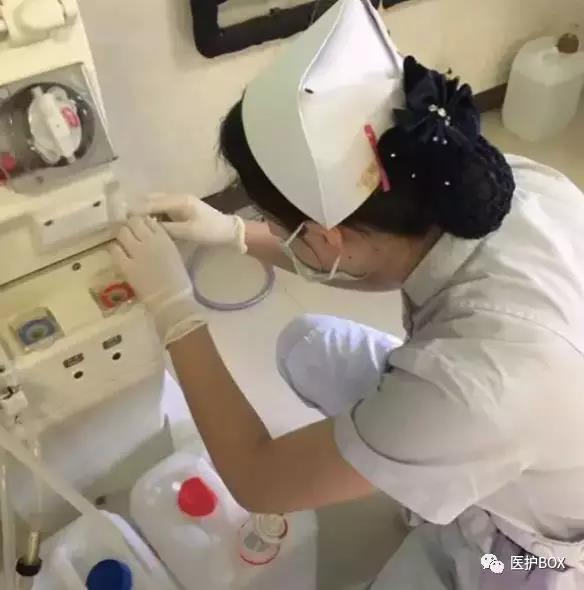
Hemodialysis room nurses frequently carry a large amount of dialysate and dialysis powder, which can easily damage the back and cause lumbar muscle strain. Secondly, the wrong working posture will also damage its bones. Nurses often need to bend over during puncture. If repeated puncture is required, the nurse needs to maintain a posture for a long time, which is very easy to damage the lumbar spine. . The alarm sound during the operation of dialysis machines, water treatment systems and other machines in the hemodialysis room will produce noise pollution, and nurses will have symptoms such as headache, emotional irritability and distraction, and even cause occupational hearing loss.

chemical factors
The environment of the hemodialysis room is highly closed, dense, and has poor air circulation. Nurses will be exposed to a large number of chemical substances during work, such as sodium hypochlorite, citric acid, and chlorine-containing disinfectants. These chemical disinfectants are harmful to the human body. It has sensitization and carcinogenic effects, and long-term inhalation may cause damage to the human respiratory tract, skin, eyes and nervous system. In addition, peracetic acid is corrosive, which can cause skin allergies and damage to the respiratory mucosa; skin contact with chlorine-containing disinfectant will cause mild damage, making the hand skin rough and dry; dialysis solution A contains glacial acetic acid, Easy to volatilize, directly affect the health of medical staff. Psychological factors: the working environment of hemodialysis room is special, and each treatment is about 4~5 h. during extracorporeal blood circulation, nurses need to analyze and judge whether various instruments and equipment work normally, and eliminate the causes of patient discomfort in time. therefore, nurses need to concentrate highly and their thinking is in a state of tension for a long time, which will affect the normal biological clock of human body. The harm of occupational stress is obviously higher than that of physical and chemical factors, especially in the rescue of critically ill patients. The characteristics of long-term continuous treatment, rapid development and change of the disease, and difficulty in operation significantly increase the work of nurses in the hemodialysis room. Pressure makes it excessively consume physical strength. After the general treatment, nurses will have symptoms such as general fatigue, loss of appetite, and insomnia. In addition, irregular work, will affect the digestive system, easily lead to a variety of gastrointestinal diseases.
According to the risk factors of occupational injury of nurses in hemodialysis room, the following protective measures are put forward:
(1) Strictly implement the operation standards:
Hemodialysis patients for the first time, should be HBV, HCV, HIV, RPR detection, hepatitis B and hepatitis C virus markers positive partition, extension for dialysis treatment. Before the operation, the nurse must wear goggles, hats, masks and gloves to avoid bacteria invading the body and prevent direct contact with infectious substances. After the operation is completed for each patient, the gloves should be replaced. A large number of clinical investigations and studies have shown that: nurses change gloves in time after each operation of a patient, which not only protects the patient, but also protects themselves. Wearing double-layer gloves can effectively reduce the amount of blood entering the body when the hand is punctured.
If the mouth, nose, eyes, skin and other parts are contaminated by the patient's body fluids and blood, they should be cleaned with a large amount of normal saline in time, and all operations must be cautious.
(2) Protection against mechanical hazards:
Sharp injury is the most common mechanical injury of nurses in hemodialysis room, so it is very important to prevent sharp injury. It is recommended to use a special sharp instrument box for dialysis for internal fistula puncture needle. If the needle cap is to be sheathed, it must be the fixed position of the original needle cap. The needle must be covered with one hand and fixed with adhesive tape double insurance. For patients with poor compliance, the treatment must be assisted by other nurses.
(3) Physical hazard protection:
The nurses in the hemodialysis room should strengthen their own exercise, such as walking, running, doing aerobics, doing yoga, playing badminton, etc. It is recommended to use dialysis B dry powder cartridge or B dry powder bag to reduce the frequency of nurses handling dialysate. Select the appropriate height of the hospital bed, the height of the hospital bed 60cm, is the best height of the medical staff puncture operation. The hemodialysis room should regularly check and maintain the equipment and instruments, strengthen the inspection during the dialysis process, and reduce the incidence of dialysis machine alarms.
(4) Protection against chemical hazards:
The dialysis treatment area needs to be ventilated. After air disinfection, windows need to be opened to effectively promote air circulation and avoid contact with toxic substances in the air to the greatest extent. Secondly, goggles, gloves, hats and masks must be worn before the medicine is equipped, and various disinfectants must be accurately equipped to achieve "current use and preparation". If the prepared chemical is not used for the time being, it should be sealed and stored in time to prevent volatilization of the medicine.
(5) Strengthen psychological intervention:
The head nurse scheduling should be scientific and reasonable, the implementation of flexible scheduling system, to minimize the workload of nurses; usually pay attention to the mental health of nurses, create a good atmosphere of the department, appropriate organization activities, to eliminate the nurse's excessive tension.
To sum up, there are risk factors in the hemodialysis room in psychology, chemistry, physics, biology and other aspects. Nurses should attach great importance to the above risk factors, and all operations should be carried out in strict accordance with relevant standards. They must be cautious and careful in their work to minimize the risk factors in the hemodialysis room. While treating patients, they should ensure their physical and mental health and work with a positive, optimistic and good attitude.
Previous Page
Next Page
RELATED INFORMATION

Caring for life, staying away from infections, providing you with more academic programs

Caring for life, staying away from infections, providing you with more academic programs
ANNJET
Company address: 1618 Dexing North Avenue, Tianqu Industrial Park, Tianqu Sub-district Office, Decheng District, Dezhou City, Shandong Province


WebChat