

The sooner the endoscope is cleaned, the better!
Release time:
2022-04-07
In the list of medical device infection risk, the endoscope is the first. Because of its complex structure, endoscope contains multiple narrow and long open channels, which provides an environment for the residual and cross infection of microorganisms, secretions and blood in the diagnosis and treatment. The endoscopic pollutants, especially protein-based mucopolysaccharides, are very easy to dry up and cause cleaning difficulties.
Therefore, after the endoscopy leaves the patient's body, the earlier the cleaning time, the better the effect; and the fastest and most targeted is the bedside pretreatment. One study showed that the rate of pass for cleaning contaminated instruments immediately after surgery was 99.21 per cent, but fell to 90.75 per cent for cleaning more than one hour.Bedside pretreatment is the key to "early"!
There are also detailed descriptions of device pretreatment in national specifications. First, the WS310.2-2016 "Hospital Disinfection and Supply Center Cleaning and Sterilization Technical Operation Specification" pointed out that the amount and status of residual organic matter on items will affect the success of sterilization. The more organic matter, the smaller the possibility of successful sterilization. If the organic matter on the article becomes dry, it is difficult to completely remove the organic matter during cleaning. "Users should remove obvious dirt on diagnosis and treatment instruments, appliances and articles in time after use, and do moisturizing treatment according to needs; Second, WS/507-2016" Technical Specification for Cleaning and Disinfection of Flexible Endoscopes "mentioned that after the endoscope is taken out of the patient's body, it should immediately wipe off the dirt on the outer surface with wet wipes or wet gauze containing cleaning solution before being detached from the light source and video processor, and the wiping products should be used once.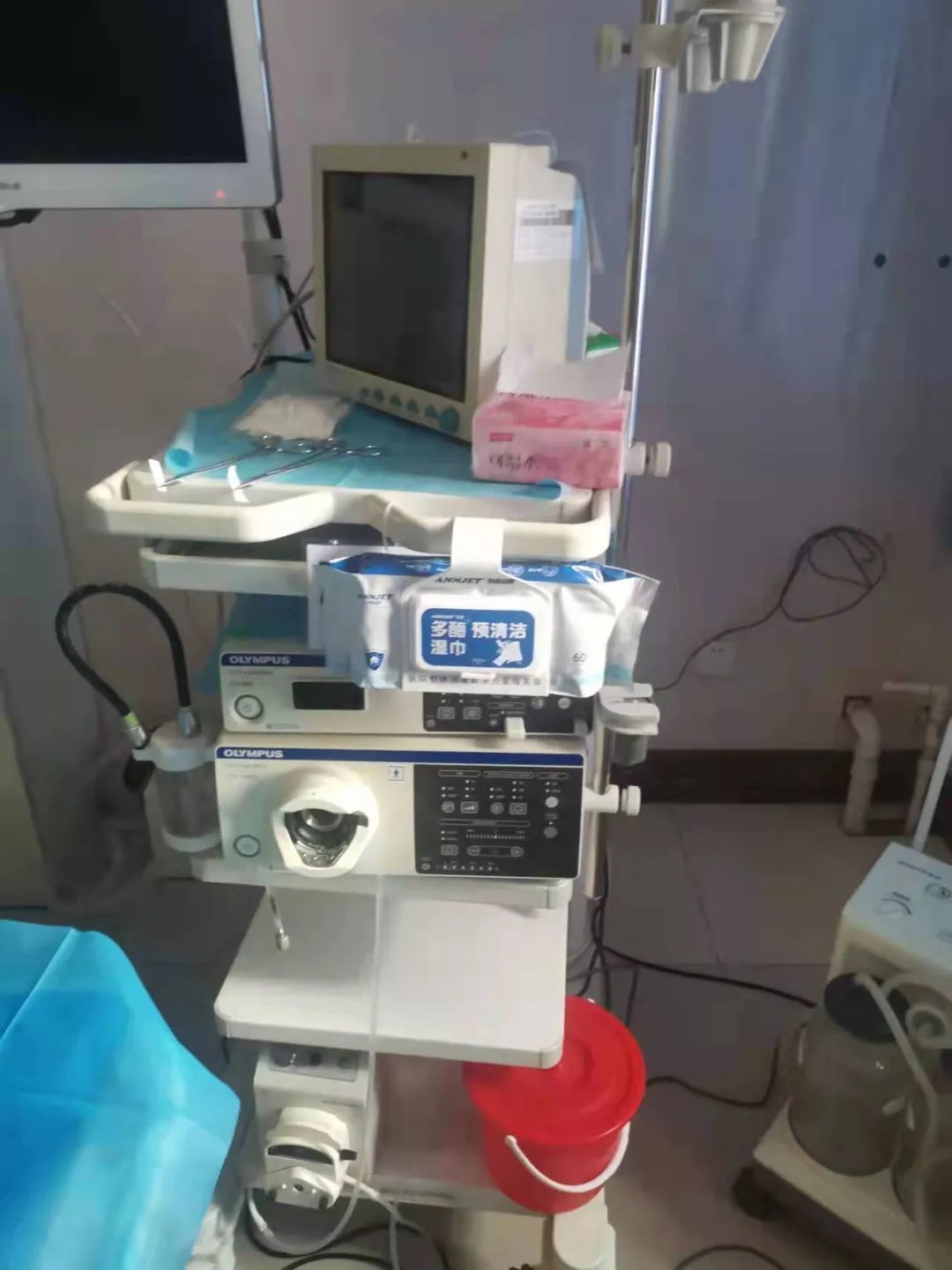 ANNJET Ansett Multi-Enzyme Pre-Cleaning Wipes
| Parameters |
Ingredients |
The non-woven fabric is impregnated with a cleaning solution compounded by protease, amylase, lipase, non-ionic surfactant, enzyme stabilizer and additives. |
| Net weight kg/bag |
Approximately 0.552. |
|
| Specifications |
20cmX20cm |
|
| Net Content Tablets/Pack |
60 |
|
| PH value |
6~8 |
|
| Liquid content |
1.7~5.0 |
|
| Features |
A variety of imported high-efficiency enzymes. |
|
| Thickened aluminized inner surface coating. |
||
| Can be matched with special rack. |
||
| 20cmX20cm large size. |
||
| Advantage |
The non-woven fabric is tough and light, fluffy and comfortable, and does not cause damage to the endoscopic pipeline. Damage easily indwelling bacteria and viruses. |
|
| A variety of imported high-efficiency enzymes can quickly decontaminate, disintegrate biofilm and moisturize, prevent organic matter from drying up and biofilm formation, and ensure clean treatment. |
||
| Aluminum-plated inner surface, effective lock liquid, to ensure the use of adequate wetting. |
||
| Can be matched with special rack, convenient medical staff nearby pretreatment. |
||
| Wipe an endoscope one by one to improve the efficiency of medical care. |
||
Ansett multi-enzyme wipes with non-woven infiltration of a variety of efficient enzyme, wipe dirt, sterilization, cleaning and disinfection, one step in place. Today, when the country vigorously develops medical reform, it will be favored by clinical pretreatment in hospitals, and it will also become the final choice for clinical pretreatment of medical devices.
Previous Page
Next Page
RELATED INFORMATION

Caring for life, staying away from infections, providing you with more academic programs

Caring for life, staying away from infections, providing you with more academic programs
ANNJET
Company address: 1618 Dexing North Avenue, Tianqu Industrial Park, Tianqu Sub-district Office, Decheng District, Dezhou City, Shandong Province


WebChat